

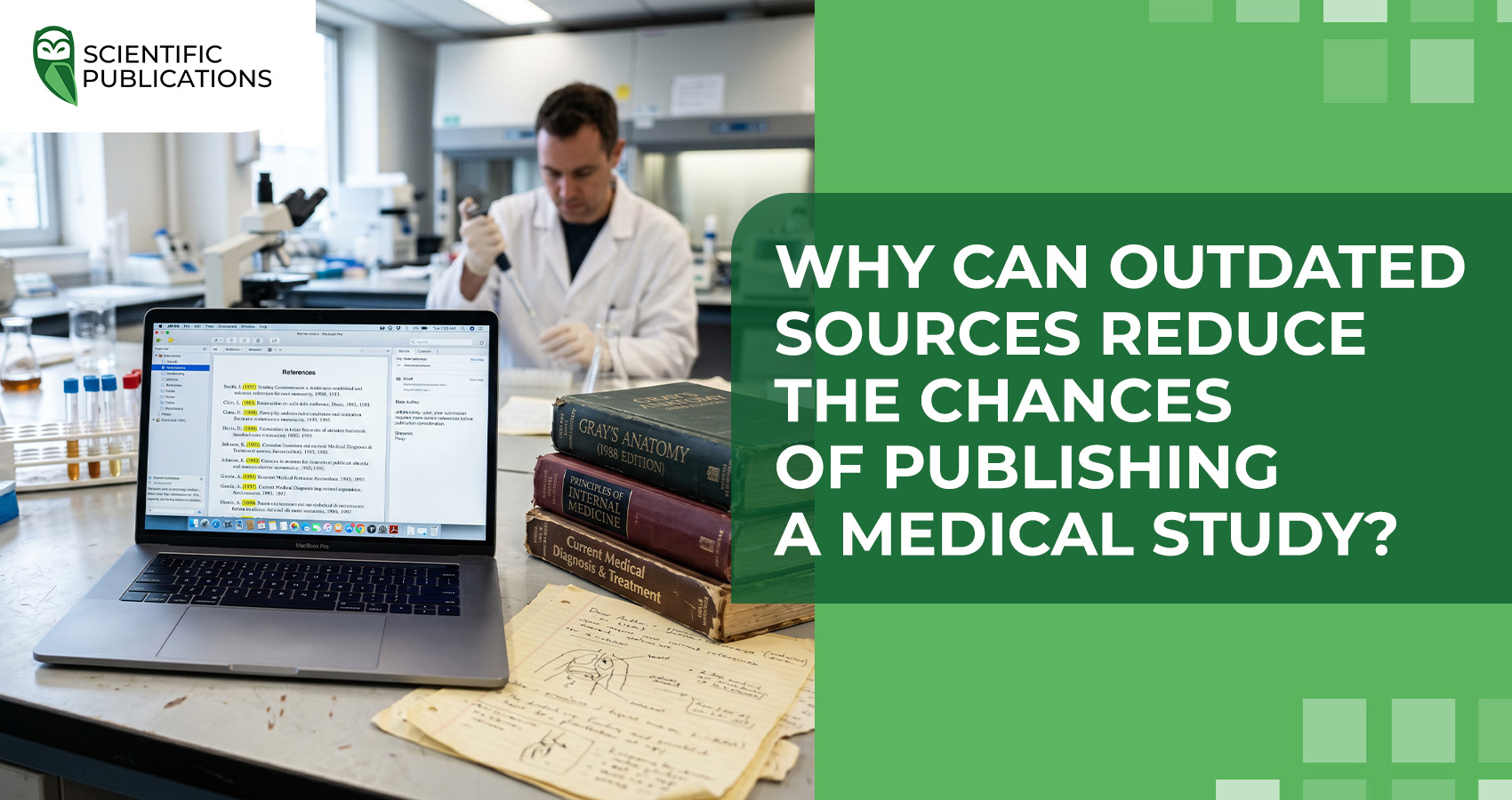
In publication activity, doctors need to comply with a number of requirements, in particular regarding the relevance of information. Why is this important? How can the use of outdated sources affect the quality of a study? Read our article.

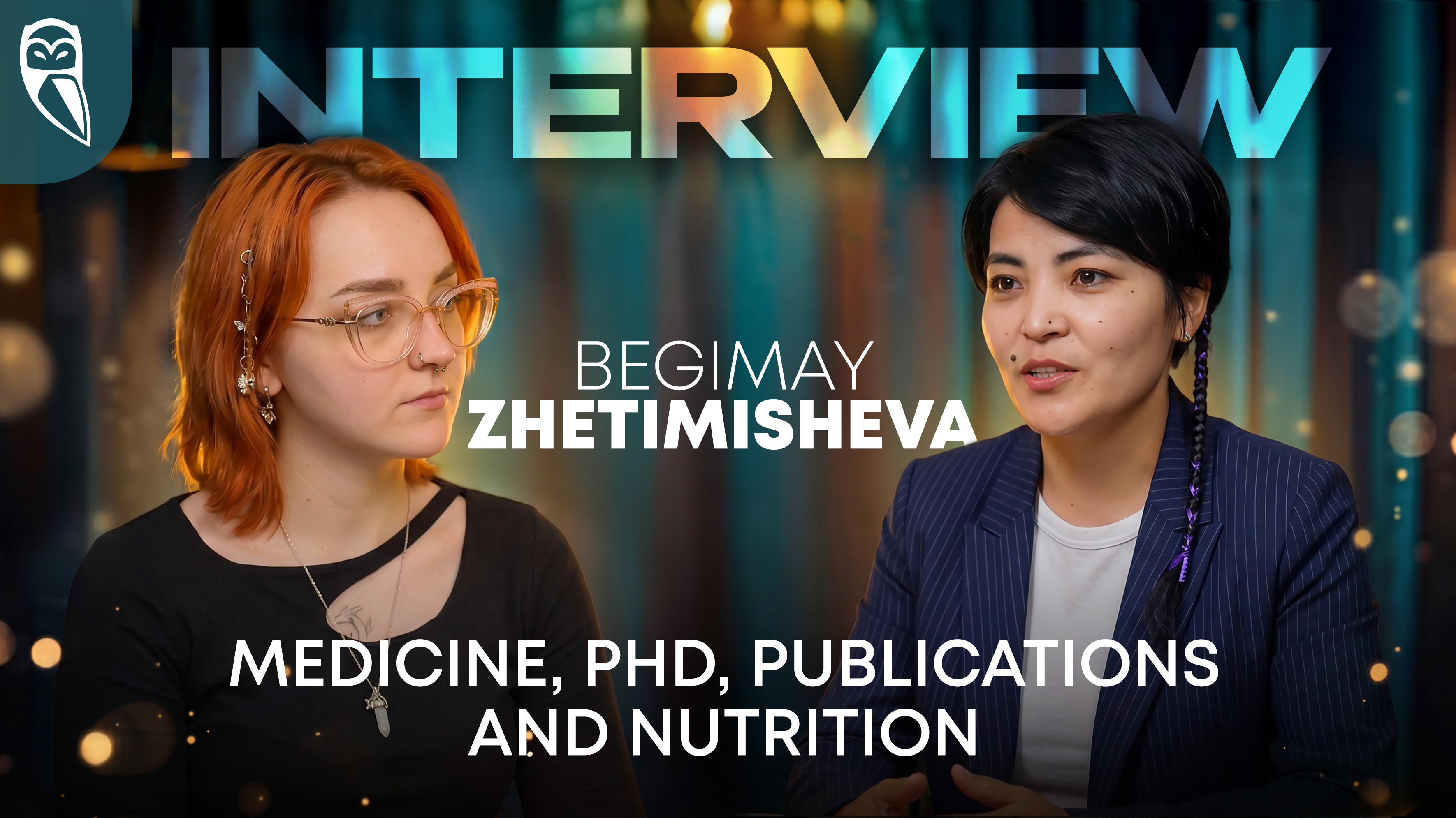
Interview with Begimai Zhetimisheva
Psychiatrist, lecturer and PhD candidate in nutritional science and dietetics, Begimai discusses combining clinical practice with academic work. You will also learn why a practising doctor needs publications in scientific journals, and what lies behind her decision to continue her studies in a doctoral programme abroad.

A successful academic career: what is the secret?
Building a successful academic career is a lengthy process that depends on many factors. How does one develop their publication activity? What affects a scholar's reputation, and how can the visibility of research within the academic community be improved? Find out more in our new video.
How to choose a journal in Scopus after a publication rejection?
A publication rejection does not always mean that the research has no scientific value. Often, the reason lies in a mismatch with the journal’s subject area, high competition, insufficient adaptation of the manuscript to the journal’s requirements or reviewers’ comments. How can you correctly choose a Scopus journal after an article has been rejected? Read on.
Medical publication without ethical approval: risks for the author
Ethical approval is one of the key elements of preparing a medical publication, especially if the study is related to patients, their personal data, etc. What risks exist for the author in the absence of ethical approval? For which publications is it required? Read our article.

Scopus, WoS or Polish List: what should you choose for publishing a medical research study?
For publishing a medical study, authors have different options available, including journals indexed in Scopus and Web of Science, as well as publications included in the Polish ministerial list – Polish List. Which option is better to choose for publishing an article in medicine? Read our article.
Order a publication
Contact a manager
SUBMIT A REQUEST
SUBMIT A REQUEST
X

We have a gift for you!
Free citation of your works or a discount on article publication services — choose your option!
Taisiia Zatsepina
Director of the company
"Scientific Publications" (Poland)