

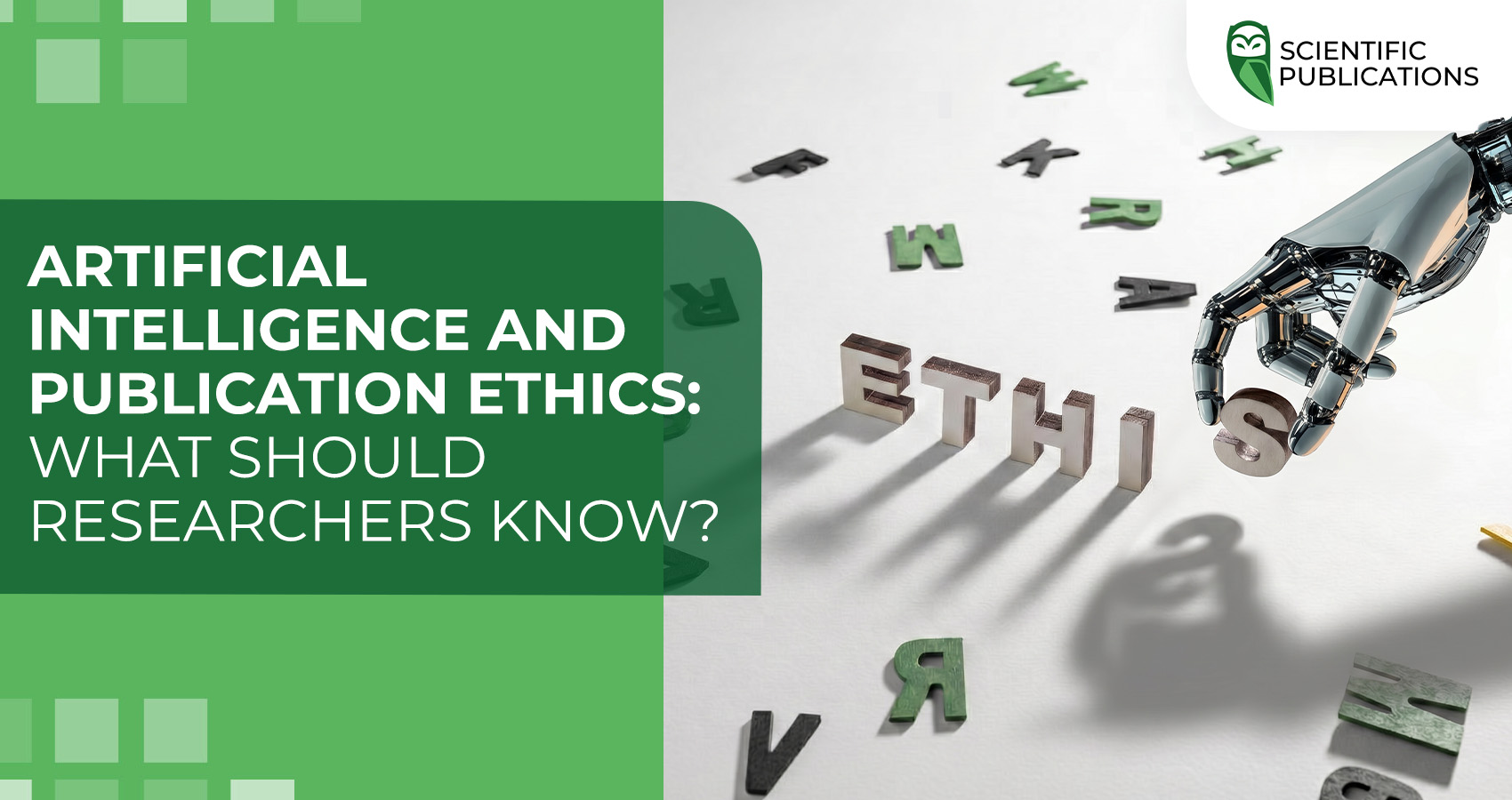
In the modern world, artificial intelligence is a useful tool for researchers. What constitutes a violation of the ethics of scientific publications when using AI? How can AI be used correctly in research? Read on.

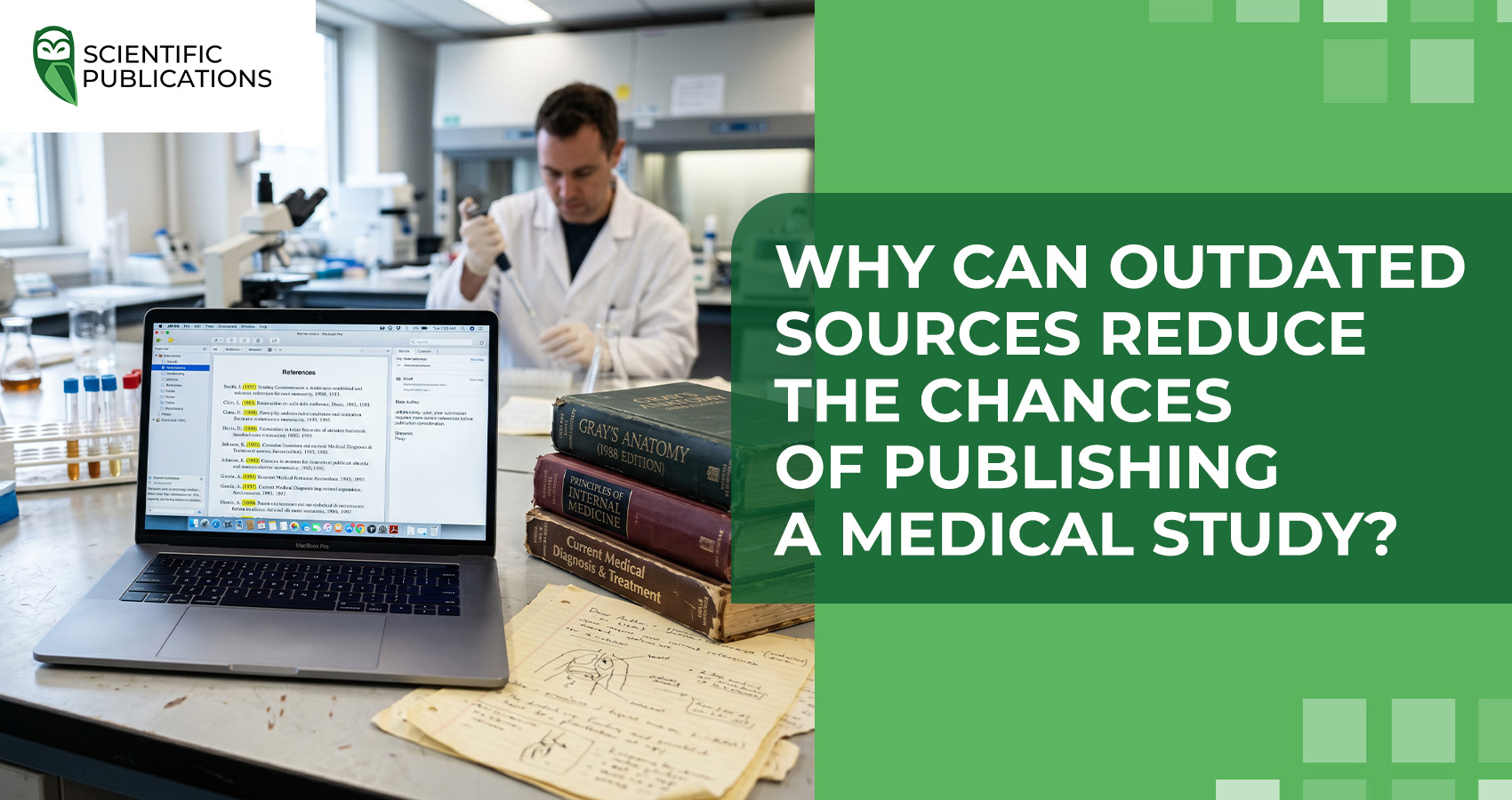
Why can outdated sources reduce the chances of publishing a medical study?
In publication activity, doctors need to comply with a number of requirements, in particular regarding the relevance of information. Why is this important? How can the use of outdated sources affect the quality of a study? Read our article.
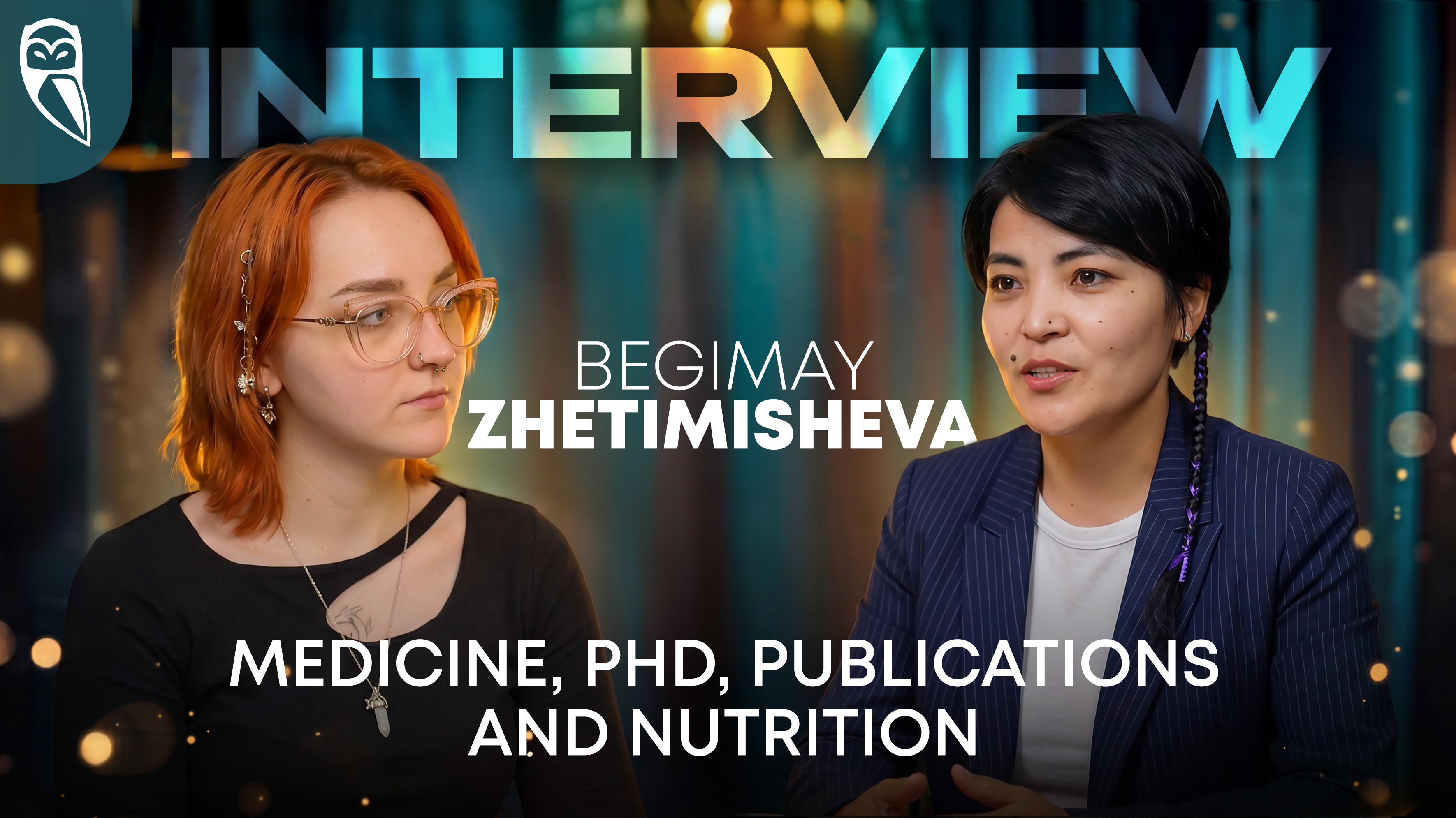
Interview with Begimai Zhetimisheva
Psychiatrist, lecturer and PhD candidate in nutritional science and dietetics, Begimai discusses combining clinical practice with academic work. You will also learn why a practising doctor needs publications in scientific journals, and what lies behind her decision to continue her studies in a doctoral programme abroad.

A successful academic career: what is the secret?
Building a successful academic career is a lengthy process that depends on many factors. How does one develop their publication activity? What affects a scholar's reputation, and how can the visibility of research within the academic community be improved? Find out more in our new video.
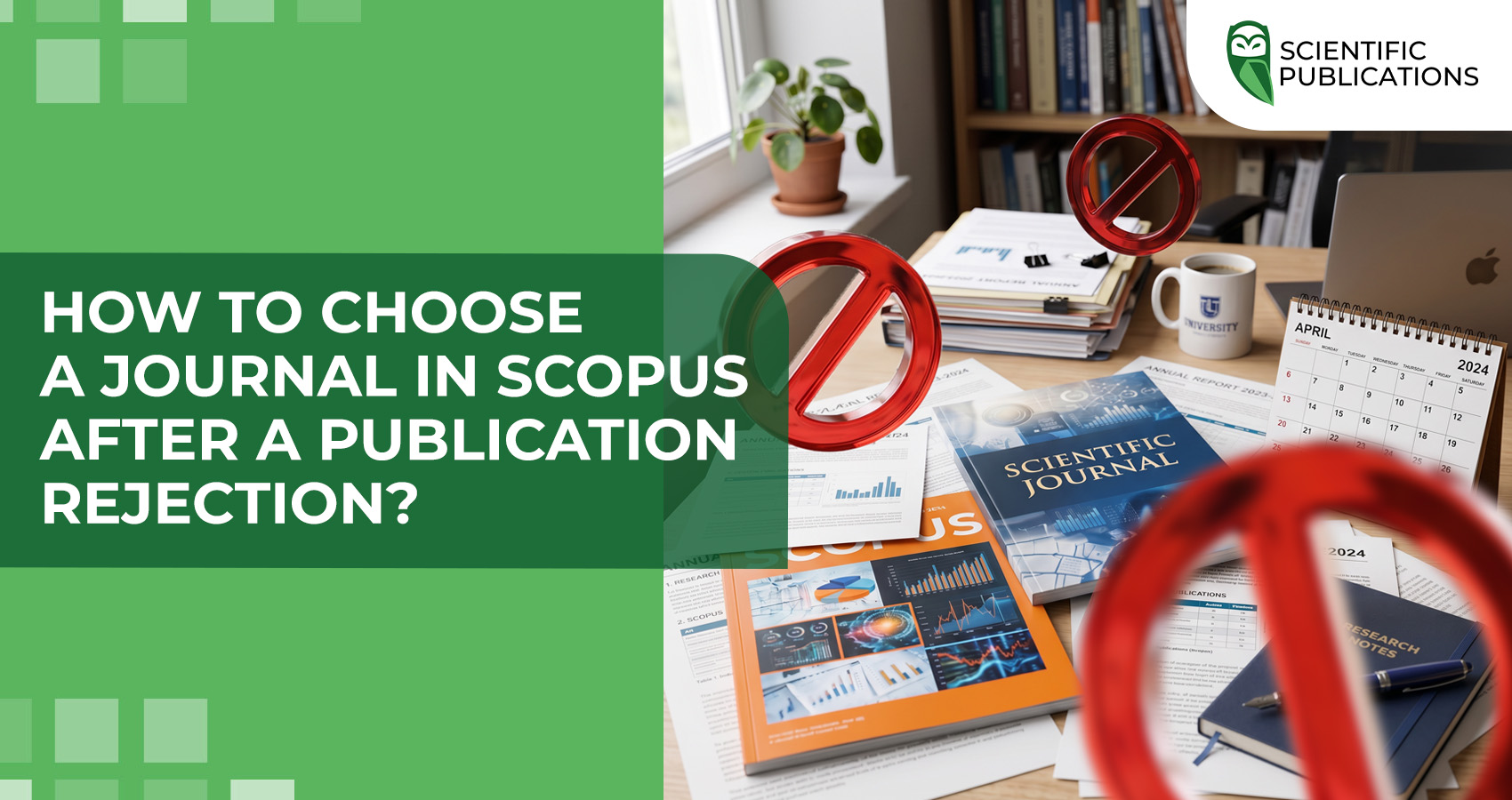
How to choose a journal in Scopus after a publication rejection?
A publication rejection does not always mean that the research has no scientific value. Often, the reason lies in a mismatch with the journal’s subject area, high competition, insufficient adaptation of the manuscript to the journal’s requirements or reviewers’ comments. How can you correctly choose a Scopus journal after an article has been rejected? Read on.

Why should you not choose a journal for publication based only on its quartile?
Choosing a scientific journal is a responsible and complex stage that requires a careful approach and consideration of many criteria. Some researchers, when choosing a journal in Scopus or Web of Science, rely only on its quartile, which is not always correct. Why should you not focus only on a journal’s quartile? Read on.
Order a publication
Contact a manager
SUBMIT A REQUEST
SUBMIT A REQUEST
X

We have a gift for you!
Free citation of your works or a discount on article publication services — choose your option!
Taisiia Zatsepina
Director of the company
"Scientific Publications" (Poland)