DOI, or digital object identifier, has become an integral part of the scientific environment. This unique and permanent code is used for accurate identification and convenient citation of scientific publications. Today we will take a closer look at this important element of scientific work and analyze why its use is so important in modern scientific communication.

What is a DOI for scientific articles?
A DOI (Digital Object Identifier) is a unique digital identifier that is permanently assigned to your scientific paper. A DOI acts as a permanent reference to an object, ensuring that it is available regardless of any changes to the web address. Each DOI is unique, and once assigned it never changes.
The DOI is important because it plays a key role in increasing the reach and impact of scientific publications. The uniqueness and stability of this digital identifier makes scientific articles more accessible to a global scientific audience, making them easier to find and cite in other research. This, in turn, increases the visibility and credibility of your publications in the academic community.
How does it work?
Publishers and other organizations are able to issue DOIs by contracting with accredited agencies such as Crossref, which has the largest share of the DOI generation market.
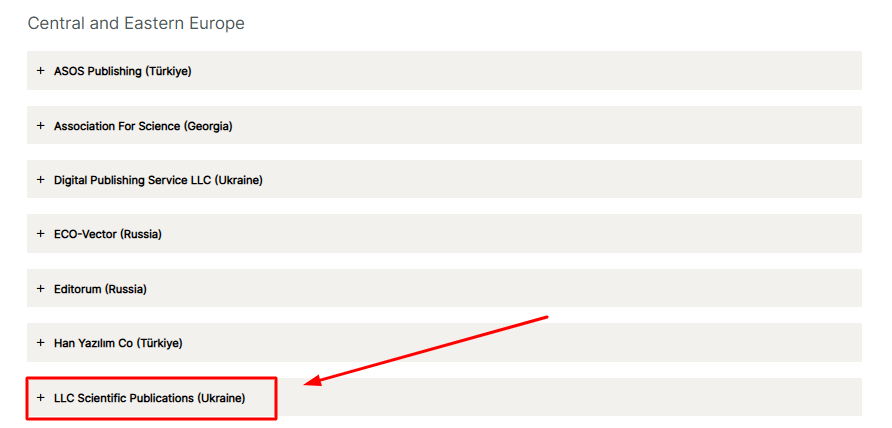
The company "Scientific Publications" is an official sponsor of Crossref, which makes it possible to create and assign international DOIs for scientific papers.
DOI functions
In the international scientific community, the reliability and accuracy of references are of paramount importance. DOI solves several key problems at once:
- Permanent access. Whether your work moves from one website to another, its DOI will remain the same, and this will allow others to easily find and cite your work.
- Saving the metadata of the publication. These include: authorship, publisher information, etc. This is critical for academic honesty and open science.
- Simplification of search and citation. The use of DOIs makes it possible to quickly find relevant articles and cite them correctly.
- Citation tracking. DOI helps researchers track how often their work is cited in other studies, which is important for scientific reputation.
- International standardization. DOI is actively used in prestigious scientometric databases such as Scopus and Web of Science, providing a standardized and convenient representation of scientific publications.
What does a DOI consist of?
A DOI consists of two parts: a prefix and a suffix. The prefix identifies the publisher or organization that assigned the DOI. The suffix, in turn, is a unique code that links the DOI to a specific publication or object. Together, these elements provide reliable identification of scientific material, making it easily accessible and traceable in the global digital environment.

How do you get a DOI for your article?
- Choosing a journal. Make sure that the journal in which you plan to publish the article assigns DOIs to scientific publications.
- Prepare the research. Write the article according to the requirements of the journal's editorial board, following the formatting rules and guidelines for authors.
- Manuscript submission. Send the article to the editorial office. Once the article has been peer-reviewed and accepted for publication, the journal will assign your paper a DOI.
- Publication and use of DOI. After publication, your article will receive a unique DOI digital identifier, which promotes citation and visibility of your research and positively influences the indexing of your article in international databases such as Scopus and Web of Science.
You can learn more about DOIs in our video.
If you need help with DOI assignment, the experts at Scientific Publications are ready to provide professional support. We offer DOI generation and digital prefix maintenance service.
Leave a request for a free consultation and our manager will contact you within a business day.