Publishing a scientific article in a journal indexed in Scopus is an important step for every researcher. However, choosing a publication is often difficult, especially when it comes to quartiles: Q1, Q2, Q3, Q4. What do they mean? Which magazine is better to choose? We will tell you in this article.

What are Q1, Q2, Q3 and Q4 quartiles in Scopus?
Scopus is one of the largest databases of scientific publications in the world. It classifies journals into quartiles (Quartiles), which reflect the level of influence of a journal in its field.
A journal quartile in Scopus is an indicator reflecting the relative position of a scientific journal in its subject category based on its citation index (most often CiteScore metric is used, but SJR or SNIP can also be taken into account).
Quartile ranking in Scopus:
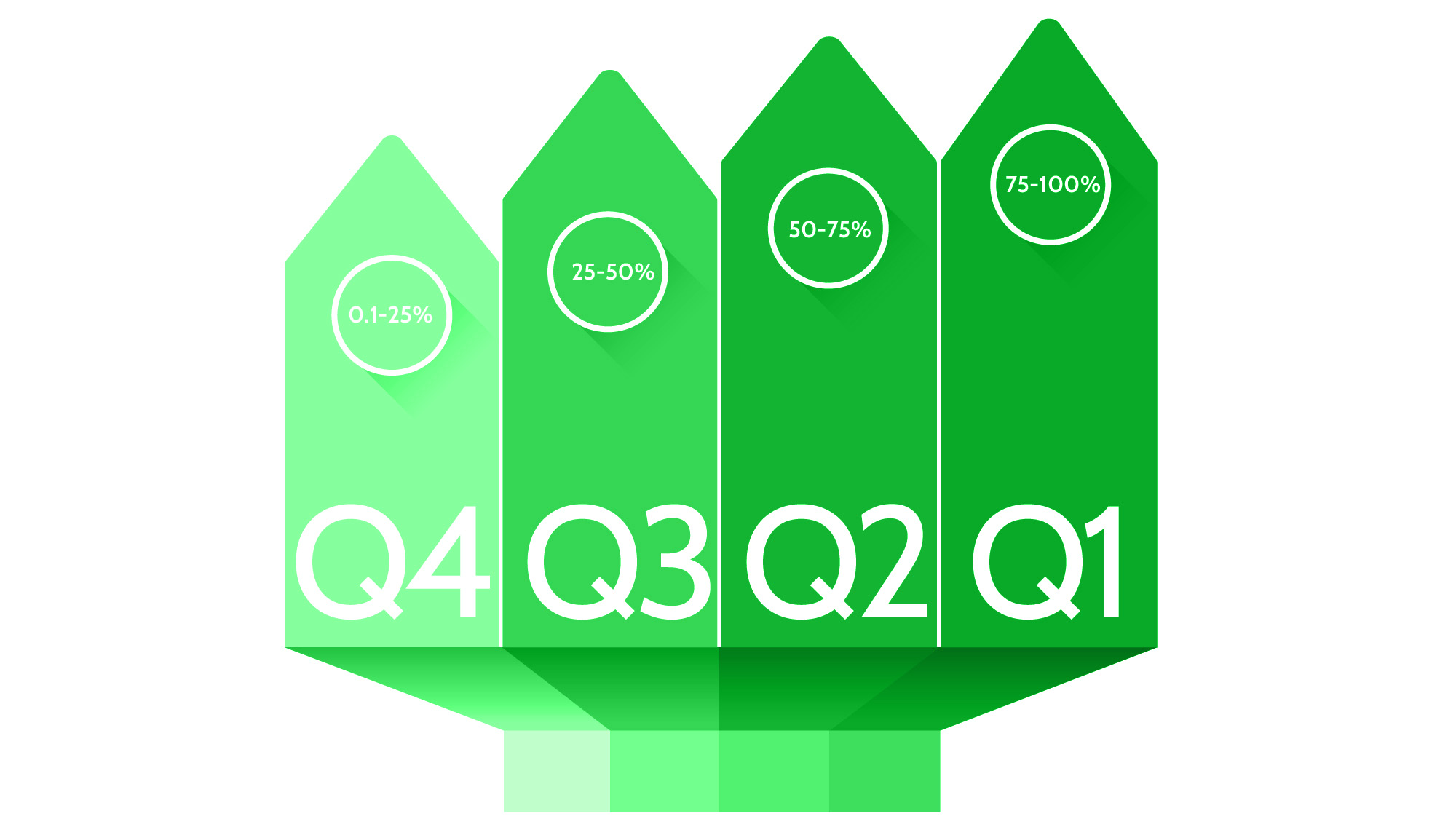
- Q1 (first quartile) journals are the most established and highly cited journals, ranking in the top 25% to 25% of the top scientific journals according to Scopus.
- Q2 (second quartile) journals are highly cited journals that are in the top 25% to 50% of scientific journal rankings.
- Q3 (third quartile) journals are publications with a medium level of citation and influence that maintain a steady but not high scientific performance.
- Q4 journals (fourth quartile) are new journals recently indexed in Scopus that are in the bottom quarter of the ranking.
How does the quartile of a journal affect publication?
When choosing a journal in relation to its quartile, you should be guided by your scientific goals. The quartile of a journal in Scopus can significantly affect the perception of your scientific work, so the following factors should guide your journal selection:
1. Purpose of publication
If you want to make a name for yourself in the scientific community, build your reputation or advance your academic career, it is best to publish in journals in the first or second quartile of Scopus (Q1 or Q2). These journals have high prestige, a wide readership, and a rigorous peer review process.
However, if your goal is to publish the results of applied research more quickly, it may be worth considering Q3 or Q4 journals (third or fourth quartile).
2. Journal subject matter and specialisation
Sometimes highly specialised or regional Q3-Q4 journals may be more appropriate for a particular research topic. Publishing in such a journal will ensure that you reach a more precise target audience interested in your topic, even though the quartile is lower.
3. Speed of publication
Q1 and Q2 journals tend to have long peer review processes due to lengthy review procedures and stringent quality requirements. If you have time constraints – for example, you need to publish a paper for a grant report or thesis defence as soon as possible – it is worth looking at journals with faster review and publication times, even if they are in Q3 or Q4.
4. Financial costs
Highly ranked journals often require a publication fee, especially if they operate on an Open Access model. Before submitting an article, it is important to find out if there is a fee, its amount and assess whether you will be able to cover these costs.
5. Requirements of a scientific institution
Some institutions of higher education or research organisations require publication in journals of a certain quartile when assessing the results of a paper. It is important to take into account the internal requirements of your institution to ensure that your article will be credited for grading, receiving a grant or defending your thesis.
Looking for a journal to publish in Scopus (Q1-Q4)? We are here to help! Our team has been accompanying scientists from all over the world for more than 9 years at all stages of publication – from the selection of a suitable journal to the final indexing of the article in the database. We will select the right publication from Q1, Q2, Q3 or Q4 that best suits your scientific goals and the topic of your paper. Leave your contact details in the form below and our manager will contact you for a free consultation on the service "Publish in Scopus".