When an author has conducted research and written a scientific paper, that author wants his or her manuscript to be published as soon as possible. But usually this does not happen as quickly as the author would like. Why? What factors influence this?
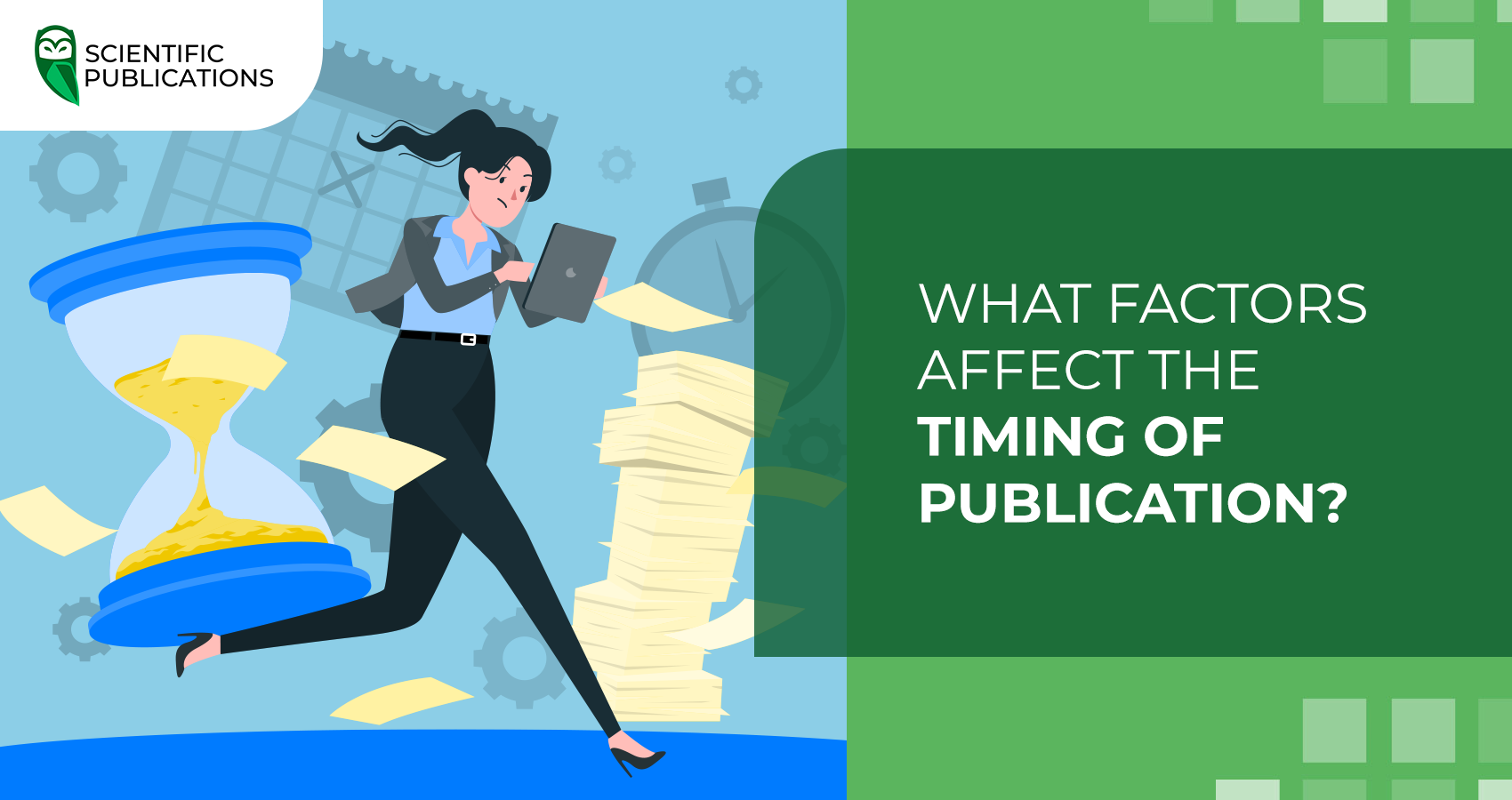
Publishing a research paper is a multi-stage and complex process that does not happen quickly. Every researcher and scientist would like their material to be published as soon as possible. But in practice, it takes longer than we would like. Each stage is important, and a long process ensures the quality of the material.
Stages of article publication
- Research. Research and writing a paper can take from several weeks to several months, so it is impossible to set deadlines at this stage, as they are different for each author.
- Choosing a journal. Among all the journals, you need to choose the one that best meets the author's requirements, for example, free, from an international database, professional, requirements for scientometric indicators, research topic, etc.
- Preparation of the material. At this stage, the material is prepared and finalised in accordance with the established requirements of the publication. This includes: formatting, structuring the text, and creating bibliographic references.
- Sending the manuscript to the editorial office. The fourth stage is sending the material to the journal's editorial board for further review, verification and peer review.
- Waiting. The stage at which nothing depends on the author, and nothing can be done, and one can only wait for the decision to accept or refuse further publication of the manuscript.
- Editing. At this stage, the author receives the article file along with recommendations from the reviewers. You need to make all the corrections and listen to all the wishes and comments of the reviewers. This stage is used to finalise the text to the required content and appearance for further publication in the journal. The stage of reviewing and revising the manuscript usually takes 3-4 weeks, but in well-known authoritative databases, such as Scopus and Web of Science, this stage can take even longer – from 60 days to 3 months, depending on the topic of the work.
- Approval. After making all the corrections and revisions to the manuscript, the editorial board makes the final decision on the possibility of publishing the article.
- Publication. The last stage is the printing and publication of the article. After the article is accepted for publication, the editorial board prepares it for publication in the relevant issue of the journal. After that, the article becomes available to readers.
It is impossible to determine the exact timeframe for the publication of scientific papers, as the writing process takes different time for each author. Also, the review period for each paper is individual. If the author has carefully prepared the material in accordance with the requirements of the journal, described all the components of the study according to the established selection criteria, and taken into account all the edits and recommendations of the reviewer, then such a work will be accepted for publication faster.
Factors affecting the timing of publication
Frequency of publication
The timing of publication depends on the frequency of journals. Some journals are published annually, others - twice a year, quarterly or monthly. The less frequently a journal is published, the longer you will have to wait for the publication of your work. However, when choosing a journal with frequent issues, you should be careful not to fall for predatory journals and scams.
Field of study
Depending on the discipline and field of knowledge in which the author works and the research is conducted, the publication period may differ. In the humanities, particularly in linguistics, the implementation of key publication deadlines is often delayed. This is due to the fact that the review process can be lengthy due to the large volume of materials submitted to journals in these fields.
Journal rating
The higher the journal's ranking and the more prestigious it is, the longer the publication process takes. Publications that are indexed in reputable databases have a certain reputation and value it, so they strictly adhere to all the criteria and requirements for the material they publish. A large number of applications to such journals also causes delays in publication.
Number of reviewers
An insufficient number of reviewers in a journal can cause delays in reviewing the material and, accordingly, in the timing of publication. Each reviewer receives more manuscripts to review, which increases the time required for their thorough analysis and evaluation.
Journal workload
Reputable and popular journals receive a large number of submissions and may have longer publication periods due to the high workload of reviewers and editors.
Communication processes between the author and the editorial board
This element differs from the previous ones in that it is more personal. The speed of the author's and editorial board's response to each other's letters and inquiries can significantly affect the overall time required to prepare and publish a research paper. The faster the author responds to the requirements of the editorial board and reviewers, the faster the review process will be completed and, accordingly, the publication of the material. Long delays in responding can be caused not only by personal circumstances, but also by the fact that letters can be mistakenly sent to the spam folder. Therefore, it is important to periodically check this folder and respond to letters on time.
There are many different factors that affect the timing of the publication of scientific articles. On the part of the author, it is important to prepare and format the manuscript in accordance with the requirements of the publication before submission. There are also factors that the author and the journal have no control over, so it is important to be patient and understanding of all processes. If the response from the editorial office is delayed, you can write to the editorial office in 3-4 weeks to clarify the status of your work.
If you need a publication in the near future – contact Scientific Publications. Our team consists of highly qualified specialists who will accompany you at every stage on the way to publication. Leave a request on the website and we will contact you within a business day. Together on the path to successful publication!